Introduction
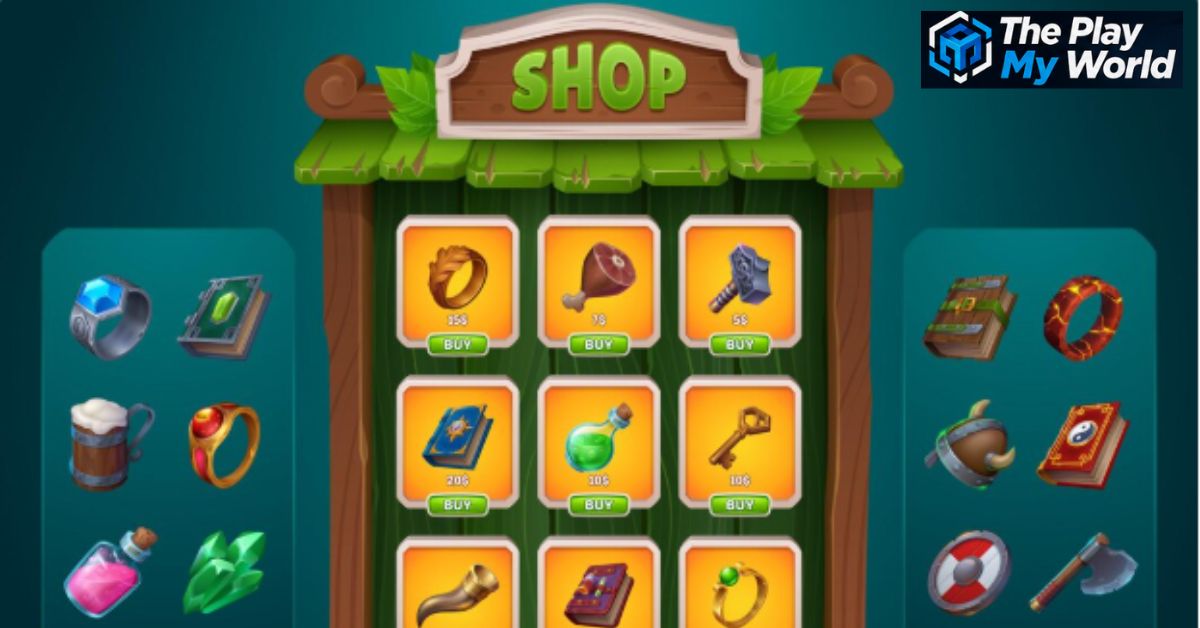
In the evolving digital landscape of 2026, the archetype of the game shopkeeper has transformed from a static background character into a primary protagonist for many players. While traditional heroes are busy slaying dragons, a growing community of gamers has found that the real thrill lies in managing the inventory, setting the prices, and dealing with the quirky adventurers who walk through the door. This shift toward “mercantile gameplay” has birthed a new genre of business simulators and cozy management titles that prioritize economic strategy over combat.
To truly understand the appeal of playing a merchant, one must look at how modern gaming has embraced complex systems. Whether you are stocking legendary swords in a fantasy bazaar or managing a high-tech supply chain in a sci-fi universe, the role of a shopkeeper provides a unique perspective on the game world’s economy. This guide provides a full, informative breakdown of the latest trends in shopkeeper mechanics, iconic NPCs that have defined the role, and the top platforms where you can start your own virtual business empire today.
The Evolution of the Merchant Protagonist
For decades, the role of a vendor was limited to a simple menu interface. However, the modern game shopkeeper is now a fully realized character with complex motivations. In 2026, we see a surge in “reverse-questing,” where you are the one providing the equipment for the hero. This dynamic forces players to consider supply and demand: if you overcharge the local knight for a potion, he might not survive the dungeon, and you lose your best customer. This creates a high-stakes balancing act between profit and world-building.
Recent hits have introduced deep customization, allowing you to design the layout of your store to maximize foot traffic. Much like real-world retail, the placement of high-value items can influence how much virtual currency a customer is willing to spend. Advanced AI now powers these customers, giving them unique personalities and haggling skills. Some may be impatient, while others are looking for a bargain, requiring the player to develop social “soft skills” alongside their financial management to succeed in the competitive market.
Legendary Shopkeepers Who Shaped the Genre
No discussion of this archetype is complete without acknowledging the legendary figures who paved the way. Characters like the Merchant from Resident Evil 4, with his iconic “Whadya buyin’?” catchphrase, showed that a vendor could be just as memorable as the main protagonist. These NPCs often serve as the only safe haven in a hostile world, providing a moment of respite and essential upgrades. Their presence adds flavor and lore to the environment, proving that a well-designed shop is more than just a place to dump loot.
In more recent 2026 titles, NPCs like the Duke or the Huldra Brothers have been replaced by even more interactive entities. These shopkeepers now remember your past interactions, offering loyalty discounts or refusing to sell to you if you’ve caused trouble in the local town. This level of immersion ensures that the relationship between the player and the vendor is a core part of the narrative. By studying these iconic figures, aspiring creators can learn about gaming design and how to build tension and relief through simple commercial interactions.
Mechanics of Economic and Inventory Management
The technical heart of being a game shopkeeper is inventory management. In the latest 2026 simulators, this has moved beyond simple lists. Players must now manage “shelf life,” item durability, and even the source of their wares. Are you buying your iron from a reputable mine, or are you hiring shady mercenaries to scavenge from dangerous ruins? Every decision impacts your shop’s reputation and your profit margins.
Furthermore, dynamic pricing engines now react to in-game world events. If a war breaks out in a neighboring kingdom, the price of armor will skyrocket, but the supply of raw materials might dwindle. Skilled players must anticipate these shifts to stay profitable. This requires a deep understanding of the game’s internal economy, making the role of a shopkeeper one of the most intellectually rewarding challenges in modern simulation. It’s not just about selling; it’s about navigating a living, breathing financial ecosystem.
The Rise of Cozy Shop Management Games
While some merchants operate in high-stress warzones, the “cozy” movement has introduced a more relaxed side to the profession. These games focus on the aesthetic and social aspects of running a boutique. Whether it’s a plant shop, a magical bakery, or a specialized wand store, the emphasis is on decoration and building relationships with a recurring cast of villagers. These titles have become incredibly popular on portable platforms, offering a stress-free escape for players who enjoy organization.
The 2026 trend in cozy gaming involves “craft-to-sell” loops. Instead of just buying low and selling high, you are often the manufacturer. You might spend the morning gathering ingredients in a colorful forest and the afternoon brewing them into potions for your customers. This hybrid of exploration and commerce provides a satisfying sense of accomplishment. It turns the act of shopkeeping into a holistic lifestyle, where the growth of your business is directly tied to your interaction with the surrounding world.
Top 5 Gaming Platforms for Aspiring Shopkeepers
If you are looking for the best place to launch your virtual retail career, these five platforms offer the most diverse and high-performance experiences in 2026:
-
Steam (PC): The undisputed leader for indie shop simulators and deep economic tycoons. Its massive library and community mods allow for endless customization.
-
PlayStation 5 Pro: Best for high-fidelity “Immersive Sims” where you can run detailed shops in stunning 4K environments with realistic lighting and physics.
-
Nintendo Switch 2: The premier platform for cozy management games and portable business sims, perfect for checking your shop’s inventory on the go.
-
Xbox Game Pass: A subscription-based service that allows you to test dozens of different management and tycoon titles for a single monthly fee.
-
Apple Vision Pro: For those seeking the ultimate immersion, AR platforms allow you to literally stand in your virtual shop and interact with items using hand gestures.
Technical Challenges in Retail Simulations
From a development perspective, creating a believable game shopkeeper experience requires complex backend systems. Developers in 2026 use procedural generation to ensure that the stream of customers feels varied and unpredictable. Each customer might have a different “budget” and “desire” score, which the game’s logic must calculate in real-time. This ensures that the shop never feels static and that players are constantly faced with new social and financial puzzles.
Another challenge is balancing the “Gold Sink.” In many games, the shopkeeper exists to remove excess currency from the world to prevent inflation. However, in a shopkeeper-focused game, the player is the one collecting the money. Developers must create meaningful ways for players to reinvest their profits—such as store expansions, hiring staff, or investing in local infrastructure—to keep the gameplay loop engaging. Balancing these micro and macro-economic factors is what separates a mediocre sim from a masterpiece.
Future Trends: AI and Multiplayer Markets
Looking ahead, the next frontier for the virtual merchant is the integration of generative AI and multiplayer economies. We are already seeing prototypes where NPCs can have unscripted, voice-enabled negotiations with players. This means you might actually have to talk your way into a better deal with a stubborn supplier. It adds a layer of realism and roleplay that was previously impossible, making the world feel truly alive.
Multiplayer shopkeeping is also on the rise. Imagine a shared world where different players own different shops in the same city. You might specialize in weapons, while your friend specializes in armor, and you both have to compete for the same group of adventuring heroes. This creates a player-driven marketplace that mimics real-world competition. As connectivity improves, the “social shop” will likely become a cornerstone of the metaverse, turning virtual commerce into a competitive team sport.
Platform and Genre Comparison Table
FAQs
What is a game shopkeeper simulator?
It is a genre of games where the primary objective is to manage a retail business, handle inventory, and turn a profit within a virtual economy.
Can I play as a shopkeeper in multiplayer?
Yes, many 2026 titles now offer shared-world economies where players can compete or collaborate as different merchants in a single city.
Do I need a powerful PC for these games?
While some high-end sims require good hardware, many “cozy” shop games are highly optimized for mobile devices and the Nintendo Switch.
Is there a way to learn about gaming design through these titles?
Absolutely. Playing as a merchant helps you understand economic balance, NPC interaction, and reward systems, which are foundational to game design.
Conclusion
The world of the game shopkeeper has evolved into one of the most engaging and intellectually stimulating niches in the industry. It offers a perfect blend of strategy, creativity, and social interaction that appeals to a wide range of players. As we move further into 2026, the technology behind these simulations will only continue to improve, providing even more realistic markets and immersive characters to interact with. Whether you are looking to dominate a global marketplace or simply run a quiet flower shop in a fantasy village, the tools and platforms available today make it easier than ever to start your journey. By mastering the mechanics of the virtual merchant, you gain a deeper appreciation for the complex systems that make our favorite digital worlds function. So, grab your ledger, stock your shelves, and prepare to welcome your first customer into the exciting world of virtual commerce.
About the Author